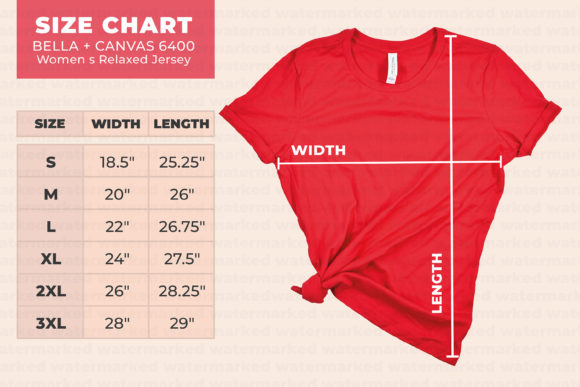
Reviewing the Bella Canvas 6400 Size Chart for Embroidery
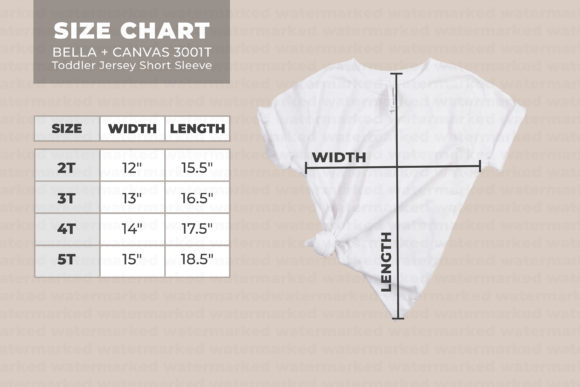
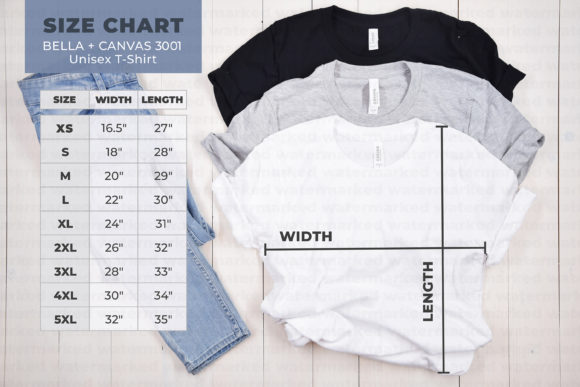
As a designer who has spent countless hours staring at digitizing software and even more time watching needles punch through fabric, I have learned that the gap between a digital file and a finished product is where most projects succeed or fail. When I first encountered the Bella Canvas 6400 Size Chart, my initial reaction was not just about the dimensions on paper, but about how those measurements translate to real-world application. For embroidery designers, small business owners, and Etsy sellers, understanding the physical footprint of your design on a specific garment is critical. This is not merely a reference guide; it is a foundational tool for ensuring your machine embroidery design lands perfectly every time.
The First Impression: Clarity Meets Practicality
The immediate value of the Bella Canvas 6400 Size Chart lies in its clarity. In the world of T-Shirts and custom apparel, the Bella Canvas 6400 is a staple. It is a unisex tri-blend tee that drapes differently than standard cotton. When I review a new asset for my workflow, I look for reliability. This chart provides the precise boundaries needed to plan placement. Whether you are creating a left-chest logo, a full-back graphic, or a sleeve detail, knowing the exact printable and stitchable area prevents costly mistakes. The mood it creates is one of professional confidence. It tells me that I can plan my embroidery project with precision, reducing the anxiety of guessing where the side seams or collar ribbing might interfere with my hoop.
Real-World Application: From Digital File to Stitched Reality
Let’s consider a real-life scenario. Imagine you are preparing a batch of custom embroidered sweatshirts or tees for a boutique client. You have a beautiful applique design ready to go. Without accurate sizing data, you might place the design too low, causing it to distort when the wearer moves, or too high, crowding the neckline. By referencing the Bella Canvas 6400 Size Chart, I can visualize exactly how a 4-inch hoop will sit on a medium-sized shirt versus an extra-large one. This is crucial for maintaining brand consistency across different sizes.
For those selling handmade products or personalized gifts, this level of detail matters. A customer ordering a holiday embroidery piece for a family member expects perfection. If the design looks cramped on a smaller size or lost on a larger one, the perceived value drops. Using this chart allows me to adjust the scale of my digital embroidery file appropriately. It ensures that the stitch density remains optimal regardless of the garment size, preventing puckering or thread breaks.
Navigating Fabric and Hoop Constraints
While the chart is an excellent guide, it must be used with an understanding of fabric behavior. The Bella Canvas 6400 is a tri-blend, which means it is softer and slightly stretchier than heavy cotton. This affects how your embroidery file behaves. Here are some practical considerations when using this size chart for various projects:
- Hoop Size Selection: Always confirm your hoop size against the chart’s dimensions. Do not push the limits of the hoop near the side seams.
- Stabilizer Choice: Because this fabric is lightweight, use a cut-away stabilizer for durability, especially for sweatshirt embroidery or items that will be washed frequently.
- Stitch Type: For detailed areas, consider using a running stitch outline before filling. Avoid overly dense fill stitch areas on thin fabrics to prevent stiffness.
- Dark vs. Light Fabrics: Test your thread colors on both black and white versions of the shirt. The tri-blend heather colors can mute certain thread shades, so contrast is key.
When working on curved surfaces like caps or textured items like tote bag designs, the principles remain similar, but the canvas changes. However, for the 6400 tee, the flat lay nature of the garment makes the size chart particularly accurate for planning. Just be mindful of the drape. A design that looks perfect on a flat table may shift slightly when worn. Always leave a margin of error.
Enhancing Visual Appeal and Customer Trust
Professionalism in a craft business is often defined by the small details. When a buyer receives a custom apparel item with perfectly placed embroidery, it builds trust. They see that care was taken. The Bella Canvas 6400 Size Chart helps achieve this by ensuring that your Graphics are not just slapped on, but integrated into the garment’s architecture. This attention to detail enhances the finished product and encourages repeat business.
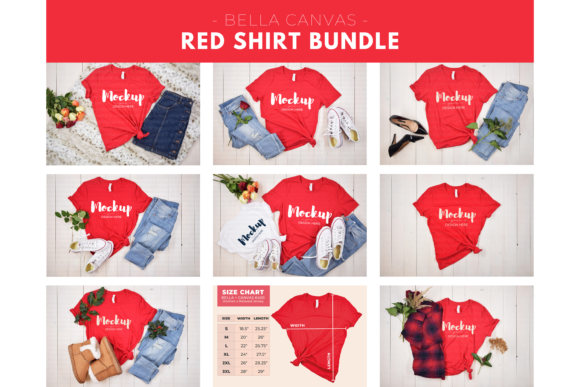
For Etsy sellers and digital product creators, using accurate mockups based on real size charts can significantly boost conversion rates. If you are selling a printable mockup or a pre-digitized design, showing customers exactly how it fits on a popular blank like the 6400 reduces hesitation. It answers the unspoken question: "Will this look good on me?"
Practical Designer Notes for Best Results
Before you hit the start button on your machine, take a moment to review these practical steps. They are born from experience and saved me from many ruined garments.
- Test on Scrap Fabric: Never skip this step. Use a scrap piece of the same tri-blend fabric to test tension and registration.
- Check Thread Contrast: Ensure your thread colors pop against the heathered background of the 6400 tee.
- Review Stitch Density: Lower the density slightly for softer fabrics to maintain the hand-feel of the shirt.
- Inspect Small Details: Tiny lettering can get lost in the texture of a tri-blend. Simplify if necessary.
- Verify Licensing: If you are using this chart to create commercial assets, ensure you have the right to sell the finished product. Always check the license terms of any design assets you purchase.
In conclusion, the Bella Canvas 6400 Size Chart is more than a measurement tool; it is a strategic asset for any serious embroidery designer. It bridges the gap between creative vision and technical execution. By respecting the dimensions and characteristics of the garment, you elevate your work from simple decoration to professional-grade commercial embroidery. Whether you are making a single personalized gift or running a small shop, let this chart guide your hands. It ensures that every stitch counts, every placement is precise, and every customer is delighted with the quality of your craft.